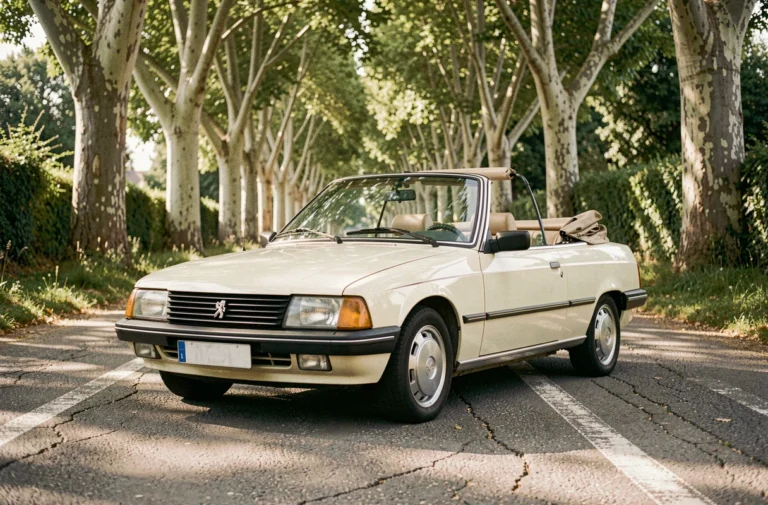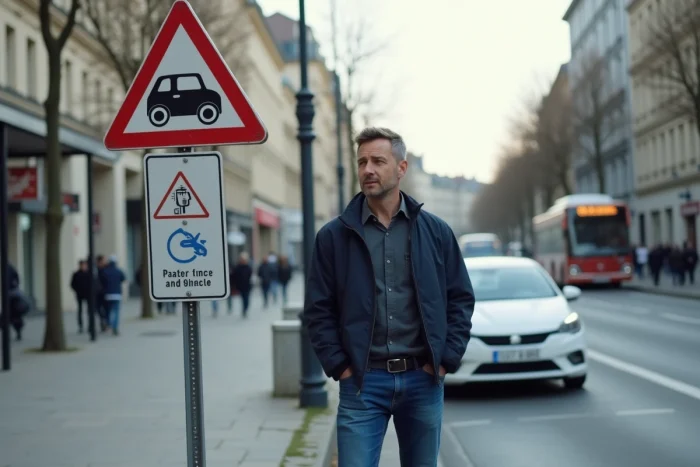
A vehicle equipped with a Crit’Air 4 or 5 sticker can drive freely one day but finds itself banned the next, without any change to its engine or fuel consumption. The implementation of restrictions varies from one metropolitan area to another, sometimes allowing conflicting schedules for cities located just a few kilometers apart. Fines for non-compliance reach 68 euros, even in the absence of clear signage. Some exemptions apply to professionals or residents of affected areas, but obtaining them depends on disparate criteria. Regulations are evolving rapidly, altering traffic for millions of people each year.
Low Emission Zones: Understanding Their Origin and Functioning
The low emission zones (LEZ) did not appear out of the blue. Their genesis is based on a repeatedly documented public health emergency. French cities with more than 150,000 inhabitants are required to establish areas where traffic is regulated. Paris, Lyon, Marseille, Grenoble, Strasbourg, Toulouse, Bordeaux, Rouen, Nice, Montpellier, and Reims are gradually submitting to this new order, driven by texts such as the Mobility Orientation Law or the Climate and Resilience Law. The Crit’Air stickers classify vehicles according to their level of pollutant emissions and determine their access to these zones.
In practice, monitoring is intensifying: radars, cameras, automated license plate checks. The result is an almost inevitable penalty for the law-breaking motorist. Of course, there are some exemptions, often temporary and reserved: certain professionals, priority vehicles, or individuals with disabilities can sometimes obtain a LEZ pass, but the process is demanding and the pass is never automatic.
Nothing is uniform: each metropolis sets the boundaries and schedule of its low emission zone. It’s difficult to keep track without vigilance. To navigate this regulatory jungle, it becomes urgent to understand the LEZ and its impacts. Managing a diesel vehicle, anticipating bans on cars, vans, or trucks, choosing the right Crit’Air sticker: the organization of daily life takes, for many, a different turn.
What Impacts Do LEZ Have on Air Quality and Daily Life?
The LEZ disrupt much more than the logic of movement. At the root: a public health objective, under the watchful eye of Public Health France and the WHO. The involved metropolises observe a decrease, sometimes notable, in fine particulate emissions and NO2; in Paris or Lyon, the figures show that the air has been less loaded with nitrogen dioxide since 2019.
This is not just a laboratory issue. For owners of vehicles never classified, artisans, itinerant staff, or home caregivers, every week requires adaptation. The restrictions on Crit’Air 4 and 5 reduce traffic density, promote the arrival of electric or plug-in hybrid vehicles, and reshuffle the cards of daily life.
Everyone adjusts their habits to comply with or circumvent the regulations. Professionals rethink logistics; individuals extend their journeys or opt for public transport, cycling, or walking, depending on the available infrastructure. The LEZ does not erase inequalities. From one city to another, the promise of mobility varies, but the health objective remains the common thread of this overhaul.
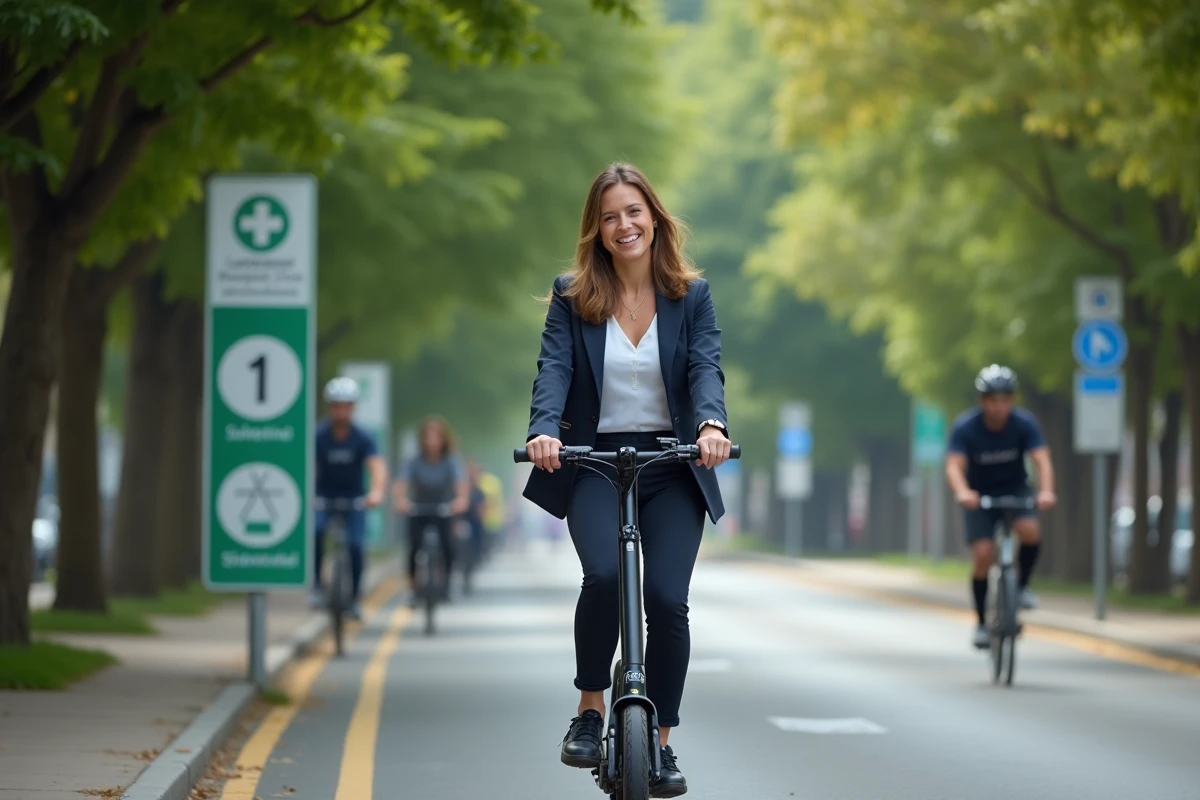
Toward More Responsible Travel: How to Adapt Mobility Habits
In this new landscape, no one escapes the transformation. The reflex is no longer to buy a new car, but to scrutinize all options. Several aids are available to support the transition to a cleaner vehicle. Here’s what can be requested:
- The conversion bonus
- The ecological bonus
- The LEZ bonus
Depending on profiles, these schemes can be combined to reduce the cost of a vehicle or an electric retrofit. Modest households, professionals, or residents of areas like the Greater Paris Metropolis sometimes benefit from specific support.
Changing habits is not limited to buying a car. These options are gaining traction and deserve consideration:
- Opt for carpooling or car-sharing
- Improve logistics for professional activities
- Use public transport more often
- Reintroduce cycling or walking as central to travel
Increasingly, local authorities are offering local aids: parking packages, bonuses for installing charging stations, tax credits, or Advenir bonuses. The CEE programs and the green fund also facilitate the equipment and modernization of fleets.
The key to navigating this landscape: stay informed and compare. Recent used vehicles, conversion to bioethanol, tax strategies, purchase assistance, or a shift to shared mobility, everyone weighs the pros and cons. It is impossible to overlook: the LEZ requires reinventing daily mobility, even in the smallest journeys.
Already, what seemed like a constraint is becoming a field of innovation. The dilemma is no longer “Will I be fined?”, but “What solutions can we invent tomorrow to move freely without polluting?”. The answers are being built right now, and history will not repeat itself.