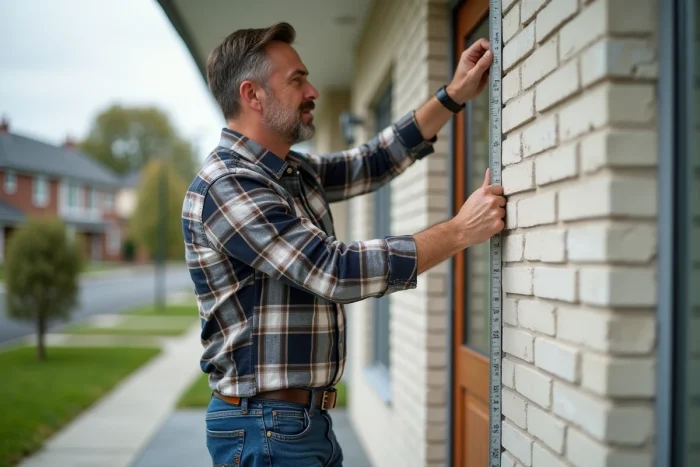
The surface measurement of a facade holds many surprises. Between the awkward angles, forgotten windows, and sometimes fussy local regulations, a simple addition can quickly turn into a headache. Yet, every square centimeter counts: a calculation that’s too generous, and the wallet suffers; too tight, and the paint runs out.
Why accurately measuring the surface of your facade changes everything for your projects
Building your project on a rough estimate is a direct path to unnecessary expenses or a halted construction due to lack of materials. Taking the time to measure is a way to guard against surprises at the checkout, avoid rushed returns to the store, and ensure a solid quote from the start. Precision also brings peace of mind during administrative procedures and the certainty of not wasting supplies. The practical explanations provided in calculating the surface of a house facade offer a simple framework to proceed without fear of making mistakes.
What are the good practices for easily calculating the surface of a facade, even with openings
A methodical breakdown, the foundation of any serious measurement
A neglected detail, an unmeasured section, and the entire order of materials can falter. To stay on reliable ground, simply divide the facade into very simple geometric elements. Armed with a tape measure, one focuses on defining each segment, including recessed portions and atypical angles. Even the least standard facades can be tamed through this succession of clear steps.
To carry out this breakdown correctly, a few good practices are worth remembering:
- Review each section of the facade, without overlooking any minor projections
- Carefully measure the total height, regardless of the terrain irregularities
- Compile everything into a simple sketch to have a comprehensive view of the collected measurements
Then, simply multiply the width and height of each area, and add the results to find the total surface.
Deducting doors and windows for an accurate calculation
The next step is to subtract the areas of openings, or risk ordering too much paint or plaster. Each door, window, or vent must therefore be measured and accounted for. To illustrate this point, here are the types of surfaces most commonly encountered:
| Element | Width (m) | Height (m) | Surface (m²) |
|---|---|---|---|
| Door | 0.90 | 2.00 | 1.80 |
| Window | 1.20 | 1.10 | 1.32 |
As you go along, subtract the total of these elements from the surface calculated above. It’s always better to compare with the building plan or check on-site to avoid any subtle oversights.
Useful resources and tips to verify your measurements before starting your renovation
Cross-checking data to validate each figure
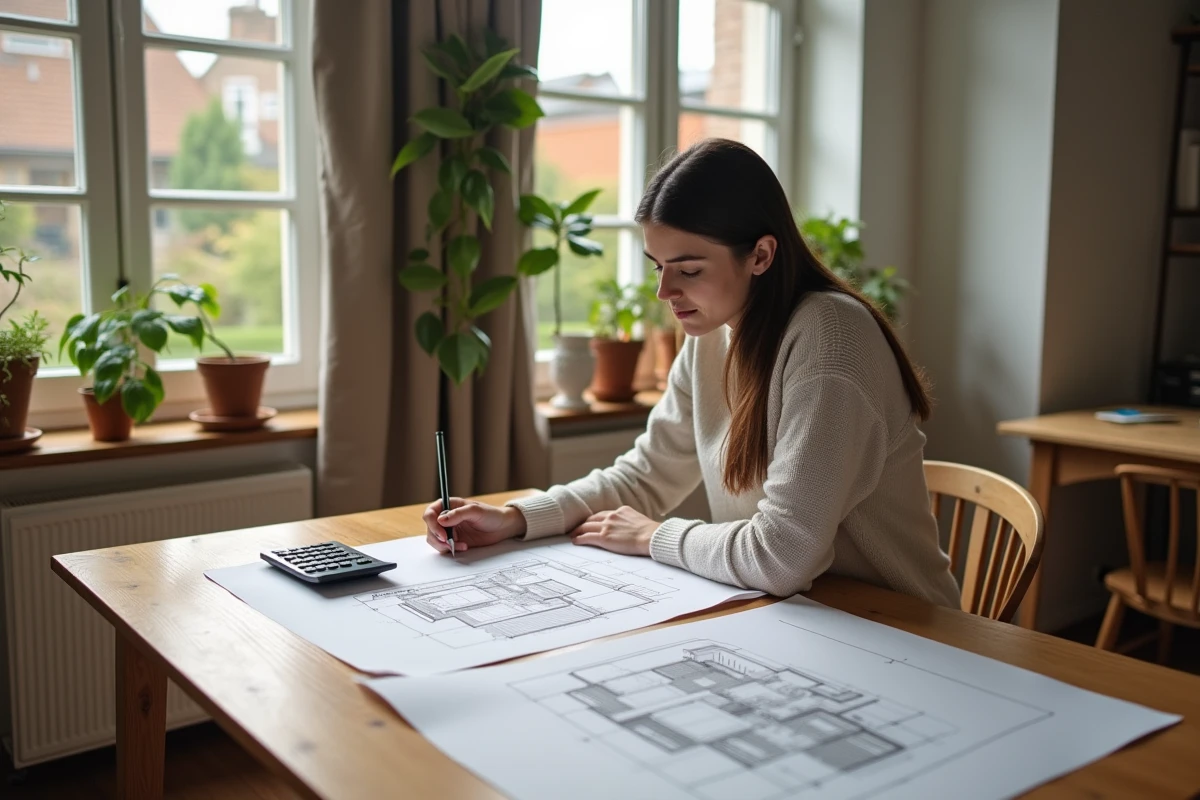
Improvising on a construction site rarely leads to good surprises. Using sketches, paper plans, laser distance meters, or cadastral plans simultaneously allows for quick verification of the most delicate measurements. Breaking down the verification into small steps makes the work less stressful and more reliable.
Taking multiple measurements at different times can reveal parts that had previously gone unnoticed. Clearly recording each opening, consulting a local professional if needed: these reflexes lock in the accuracy of your figures before purchase.
Before choosing any paint can, it’s worth applying a few solid tips:
- Create a clear diagram with all openings clearly drawn, dimensions included
- Proceed section by section, then recalculate the total to spot any potential calculation errors
- Contact neighbors who have undertaken similar work or submit the measurements to the discerning eye of a craftsman
Ultimately, the difference between a smoothly flowing project and hours wasted on adjustments comes down to a few things: meticulousness, a well-filled notebook, and the desire to do things without haste. Measuring is preparing for the transformation of the facade. It is there, on paper, that the real transformation begins.