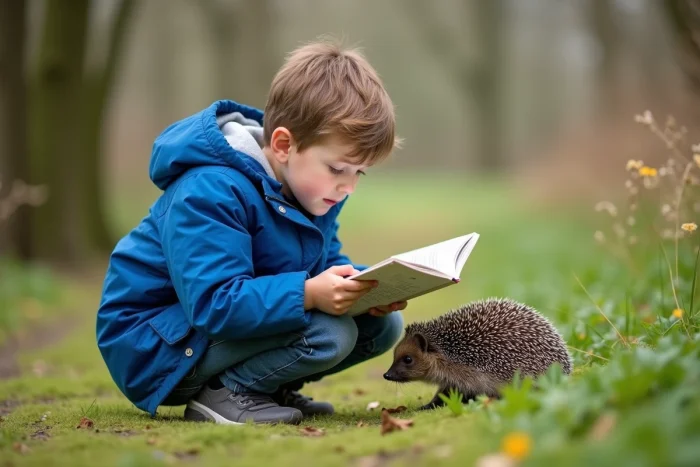
The oldest vertebrate ever identified, the Greenland shark, defies the passage of time and spans four centuries, while at the other end of the spectrum, some insects live barely a day, not even having the leisure to become adults. One in eight wild animals is currently threatened with extinction, according to recent figures from the International Union for Conservation of Nature. This catastrophe contrasts with the astonishing discovery, year after year, of new species that challenge rankings and our certainties.
An animal kingdom of unsuspected variety: species, lifestyles, territories
Exploring the animal world means confronting a flourishing diversity of forms, characters, and habitats. We know the dog, that loyal companion, or the cat, an expert in domestic adaptation, undisputed stars of households. Yet, behind this familiarity, a multitude of species remains unknown or misunderstood.
To better understand the palette of animals that punctuate our lives, here are the major families of new pets, or NAC, frequently adopted:
- rodents,
- birds,
- fish,
- reptiles
Not to mention other more unexpected species that have become trendy among enthusiasts. Welcoming one of these companions into your home requires serious information about their needs, which are quite different from those of a dog or cat. Some of these animals are fully domesticated, while others maintain a lifestyle very close to their wild origins. Before adopting, it is essential to inform oneself about the regulations, as some species require a certificate of competence, or even administrative approval, and are protected by the Washington Convention, which fights against the trafficking of endangered animals on an international scale.
The richness of the animal kingdom is also measured by the diversity of its environments: dense forests, wind-swept meadows, underwater reefs, lively rivers, or even urban apartments. Each habitat has its adaptations, survival strategies, and ways of communicating. Providing each animal with an environment that respects its natural needs is essential for preserving its balance and health, whether it is a confidential dwarf rabbit or a fascinating snake.
Those who wish to adopt an animal or enhance their useful knowledge can find practical advice, useful files, and updated news on the site univers-animaux.net.
Preserving species: a challenge in the face of biodiversity erosion
The animal world has never faced so many threats. Animal species are confronted with habitat destruction, fragmentation of natural environments, overexploitation, trafficking, and the now evident effects of climate change. According to recent ecological news, the fight is intensifying: the Washington Convention (CITES) directly regulates global exchanges of NAC animals as well as many wild species to reduce illegal trade and the alarming scarcity of coveted species.
Animal protection organizations and shelters are at the heart of the response. They rescue, care for, rehome, or put up for adoption many animals that are injured, abandoned, or victims of abuse. To illustrate the diversity of their actions, these organizations welcome:
- dogs,
- cats,
- NAC
as well as other animals that have emerged from perilous situations. Since law n°2021-1539, new requirements have been imposed on adopters or holders, such as the presentation of a certificate of competence for certain animals. The legislation thus strengthens the protection of all these living beings.
Respect for the five essential freedoms—access to food and water, health, absence of pain, freedom from fear and stress, and opportunities to express natural behaviors—must guide any initiative. These pillars of animal welfare also serve as a barrier against the excesses of wildlife tourism, which often leads to silent distress for the animals involved. Informing oneself, deciphering reliable sources, surrounding oneself with experts and relevant advice: all necessary actions if we truly want to protect this living heritage.
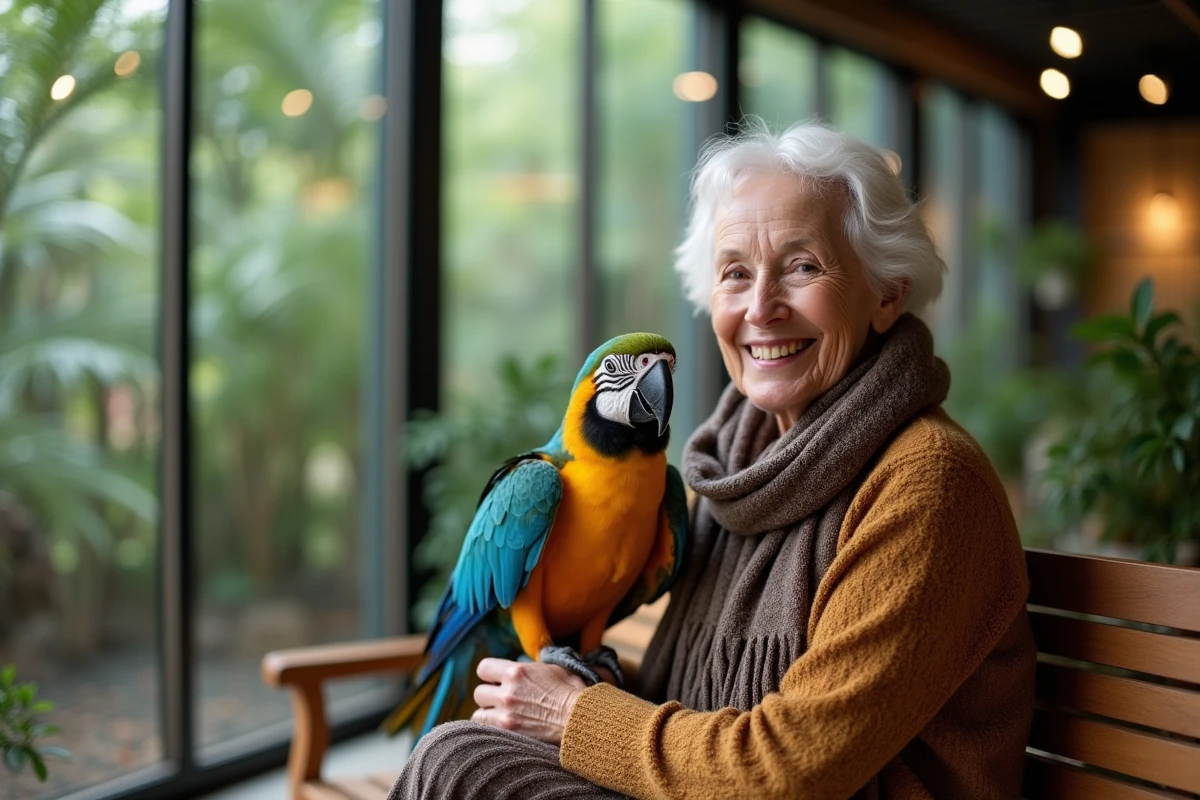
Progressing with animals: committing and experiencing authentic moments
Approaching the animal world requires curiosity and respect, but also concrete involvement. Adopting a dog, a cat, or a NAC now involves signing a certificate of commitment and knowledge, which is mandatory during any transfer, whether free or for a fee. This document binds one morally and legally, requiring a long-term perspective, consideration of necessary care, time commitment, and the specific constraints of each species.
To ensure that the companion enjoys the best conditions, it is often wise to consult a specialized veterinarian. NAC often require specific care, tailored nutrition, an environment protected from diseases, and benefit from customized follow-up. Relying on the experience of these professionals avoids many mistakes and promotes the long-term well-being of the animal.
Involvement does not stop at the private sphere. Engaging in an association, dedicating time in a shelter, participating in campaigns, or supporting awareness projects amplifies the positive impact. Animal health insurance, too often overlooked, can also prove invaluable: it provides financial security if the unexpected strikes, especially for animals whose care is expensive or complex.
Want to go further? Numerous activities provide opportunities to learn and be moved: workshops on animal behavior, canine sports, meetings with passionate specialists. Week after week, observations and in-depth analyses allow one to open up to the richness of an animal kingdom that always surprises.
When everything seems immutable, the living reminds us that it dares, changes, and questions. Observing, understanding, acting: in this dialogue where humans no longer play the leading role, a whole world continues to defy indifference.