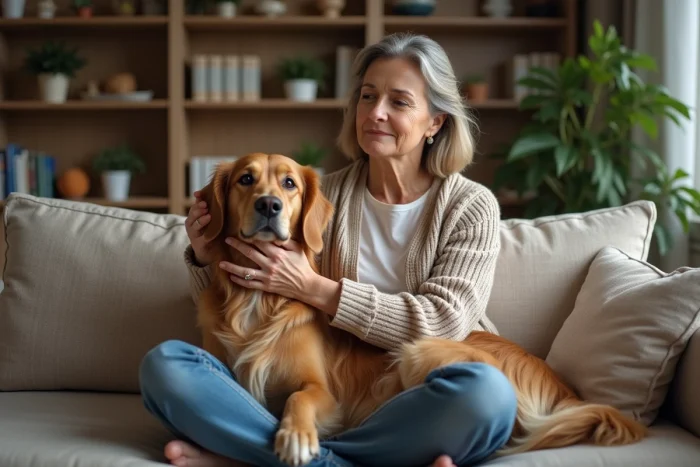
Owners notice changes in behavior in their animals after an animal communication session. Despite the lack of scientific consensus, some veterinarians sometimes incorporate these practices into their support. Some French veterinary schools timidly mention the subject, while public demand remains strong.
Workshops fill up within a few days, while specialized professionals receive inquiries from all over France. The line between alternative methods and complementary support remains blurred, but curiosity continues to grow.
Animal communication, an unexpected bridge between humans and companions
Over time, animal communication has carved out a unique place where intuition meets observation. More and more pet owners are rediscovering their relationship with their companions—dogs, cats, horses, birds—through this approach. Presented as an intuitive connection between human and animal, this practice encourages listening differently, allowing for the silent voice of the animal to be heard, without filters and projections.
This approach injects a new dynamic into the human-animal bond: some note that they better understand their companion’s deep needs, observe fewer tensions or misunderstandings at home. The dialogue, often silent, relies on a keen observation of signals, attitudes, and bodily sensations. However, intuitive animal communication is not something that can be improvised: it requires training and commitment. For those who wish to learn with animals and explore animal connection in a structured way, resources exist, such as on the Syntonie Animale website, which provides content and feedback.
Experienced practitioners prioritize a respectful posture, refusing hasty interpretations. Listening, patience, and perspective are at the heart of their practice. Once relegated to the margins, this discipline is now experiencing a real surge of interest, driven by the desire to weave a deep bond between humans and animals. Research on animal emotional intelligence lends credibility to this approach, but the element of mystery surrounding intuitive communication remains intact.
What secrets do our animals really reveal when we know how to listen?
Animal communication challenges our beliefs. During an animal communication session, it is not uncommon for a fearful cat to finally reveal the reason for its withdrawal: a change in its environment, a stress previously ignored. A dog, appearing stoic, reveals an inner storm, caught between devotion, worry, and a need for comfort. As for horses, often perceived as inscrutable, they express their feelings about the environment, equipment, or the quality of the bond with their rider.
The power of intuitive dialogue
Here’s what this unique dialogue concretely allows:
- Decoding subtle signals: every animal, whether a cat or another companion, conveys much more than words. Postures, glances, tiny gestures are windows into their emotions and needs.
- Accessing intuitive communication: this method sometimes reveals unexpected answers during a session. It sheds light on specific needs, desires for change, or significant memories.
- Respect for ethics in animal communication: practitioners commit to listening without forcing or manipulating. The approach is based on transparency and kindness, with each exchange conducted in respect for the animal.
This approach transforms the relationship. Animals, long silent observers, become active partners in the dialogue. Sometimes, a single session is enough to ease an old tension, restore trust, and open new perspectives. Intuitive communication does not shy away from the complexity of our companions: it offers a tool to better support them, to tailor our care and attention to their true needs, whether it’s a cat, dog, or horse.
Inspiring experiences that change daily relationships
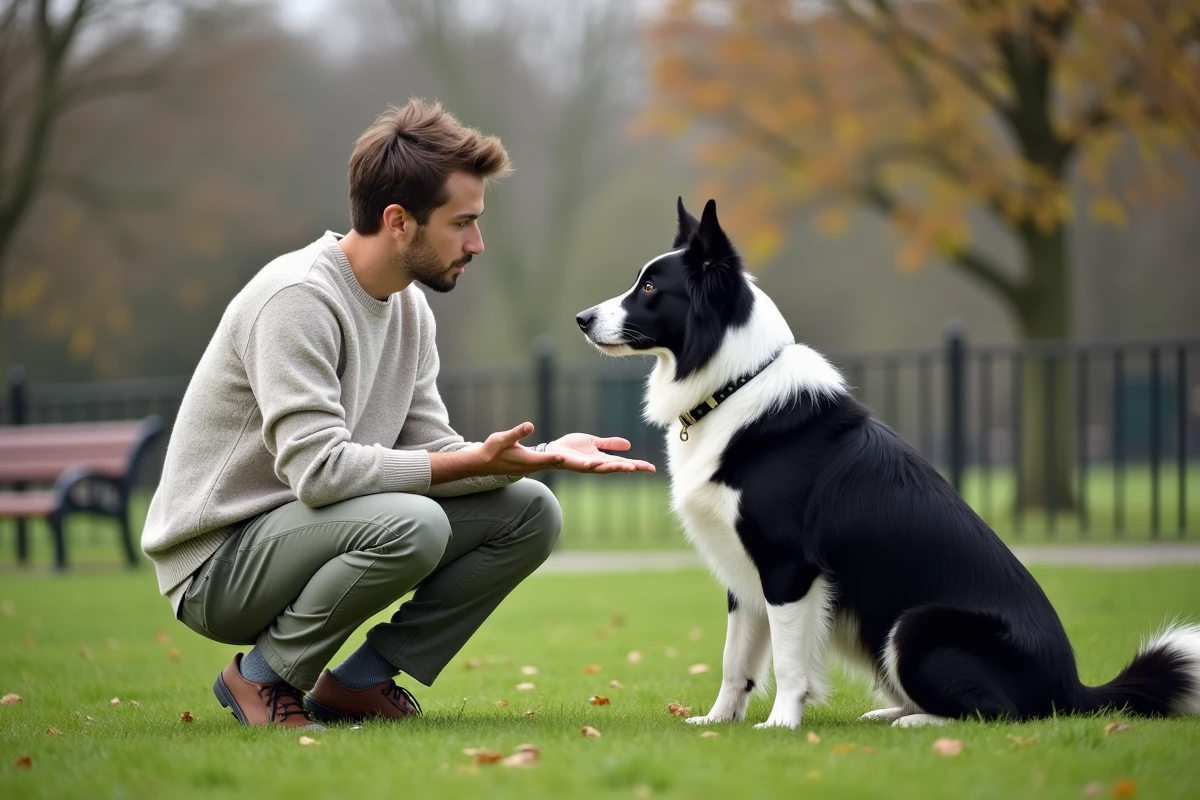
At the heart of every relationship with your companion, surprise often sneaks into an exchange without a word. The account of a practitioner, gathered during an animal communication training, illustrates this phenomenon well: “After a session, my dog approached, relaxed, with a different look in his eyes. I felt a sense of calm, a new trust.” Nothing magical about it, though: the animal communication method relies on keen listening, on paying attention to discreet yet powerful messages.
Strengthening the bond with your cat, dog, or horse requires learning to decode these signals and to adapt. Families report small revolutions: a cat struggling to accept a newcomer regains its balance, a horse stressed by van trips visibly relaxes.
Here are some remarkable transformations:
- Strengthening the relationship: the intuitive connection allows for anticipating the animal’s expectations and establishing lasting harmony.
- Supporting change: during a move or separation, animal communication serves as a reference point for both human and animal.
The regular practice of listening and paying attention to companions then becomes a catalyst for change. Learning with animals also opens up a better understanding of oneself, probing the depth of the human-animal bond. Animal communication, far from being reserved for a handful of initiates, invites itself into everyone’s life, enriching relationships and giving a new dimension to daily life. And sometimes, all it takes is an exchanged glance to feel that a whole world has opened up, right there, just between you and them.